

INTENDED FOR DOGS 6–24 MONTHS OF AGE
Teenage Tails – Board and Train
Suddenly the behaviors that worked… don’t.
Walks get chaotic, listening fades, energy spikes, settling disappears.
Around this age dogs aren’t forgetting — reactions are simply happening faster than thinking.
Your dog isn’t stubborn, and it isn’t permanent.
You may be noticing:
ignoring cues • pulling to distractions • barking at new things • over-excitement • difficulty relaxing indoors
Length & Investment
Two weeks (14 days) — $2,450
We guide daily decisions so your dog becomes predictable again — calm at home and manageable in the real world.
For adolescent dogs learning how to function in the real world.
We don’t try to suppress the phase — we guide it so reactions turn into decisions and your dog can handle normal situations without constant intervention.
How Do You Know When It’s Time for Structure?
Is Your Dog Experimenting — or Rehearsing?
-
Experimenting
(you can usually give this time)
- happens occasionally
- improves week to week
- dog recovers quickly after excitement
- behavior appears in specific moments, not daily life
- walks and home life still mostly manageable
Your dog is testing reactions — not relying on them yet. - happens occasionally
-
Rehearsing
(this is when families usually start this program)
- happening daily
- spreading into new situations
- recovery takes longer
- walks becoming frustrating or avoided
- settling at home becoming difficult
Your dog isn't trying behaviors anymore - they're becoming habits. - happening daily
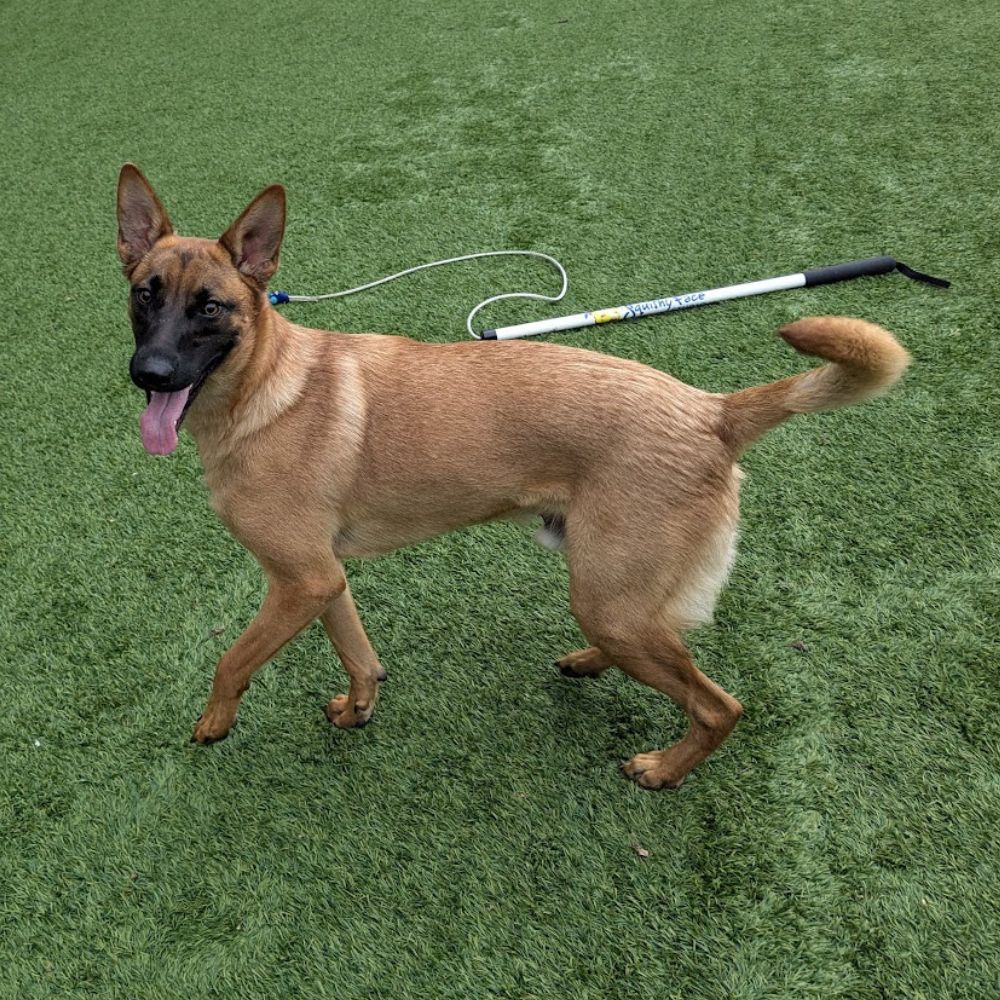
What Life Usually Looks Like After
Without guidance, many dogs don’t grow out of these patterns — they practice them.
The longer reactions are repeated, the more automatic they become in adult life.
Most dogs leaving this program:
- respond before reacting
- can walk past distractions without constant tension
- settle in the house without being told repeatedly
- recover quickly instead of escalating
- handle new places without big swings in behavior
- become easier to guide than manage
We’re not skipping adolescence.
We’re helping it pass without taking over daily life.

What Your Dog Is Learning
Regulation
Recovering from excitement instead of staying escalated.
Social Skills
Seeing people and dogs without needing to react to them.
Comfort in Everyday Situations
New places stop feeling unpredictable.
Handling & Guidance (grooming, vet care, leash communication)
Accepting direction instead of resisting it.
Independence
Not needing to monitor you or respond to every movement in the home.

How We Do It
Your dog lives a structured daily routine with us that mirrors real life — built around daily living instead of isolated training sessions.
We guide them through:
- calm indoor time
- appropriate outlets for energy
- rest and reset periods
- real-world outings
- cooperative handling
- thoughtful interaction with people
We use rewards and guidance, but more importantly we teach them how to make decisions, not just what to perform.
The goal is understanding, not control.
You’ll receive regular updates so you can see what they’re learning and how to continue it at home.

Who This Program Is For
Most families start this program when daily life feels consistently harder than it did a month ago.
It’s especially helpful if:
- behaviors your dog already knew are becoming unreliable
- walks have recently become difficult or frustrating
- your dog struggles to settle in the house
- excitement quickly turns into overreaction
- improvement isn’t sticking between training sessions
- your routine can’t provide enough repetition right now
If things feel noticeably harder than they did a month or two ago, this is usually the stage families choose this level of help.

When Your Dog Goes Home, Nothing Feels Unfamiliar
We walk you through daily routines in real time — movement in the home, settling, outings, and disengagement.
Training videos you can follow
You’ll see your own dog practicing the skills so you know exactly what they look like day to day.
Written report card
Clear notes explaining what your dog understands, what’s next, and how to continue progress.
Ongoing guidance
You can reference the material and reach out if something doesn’t feel clear once you’re home.
Not sure if this is the right stage to start training?
Describe what’s been happening at home and on walks. We’ll tell you honestly whether to start now — or wait.
What to include
• your dog’s age
• where you notice it most (home, walks, guests, everywhere)
• what happens when it’s hard
• whether it’s improving, staying the same, or getting worse
Tell us what’s been happening
Do Better: Nurturing Minds, Building Bonds
-
LIFE Approach
The LIFE model is a modern approach to ethical animal training that prioritizes both the welfare and the effectiveness of training methods. Developed as an enhancement to the previous LIMA model, LIFE focuses on ensuring that our strategies are minimally invasive yet highly effective.
-
Empowering Approach
Our training philosophy is centered around empowerment for both you and your pet. We aim to equip you with the knowledge and skills to build a strong, positive bond and create a harmonious life together.
-
Punishment-Free Philosophy
We unequivocally reject the use of punishment in our training methods. Instead, we focus on positive, effective, and humane strategies that foster a trusting and positive relationship between you and your animal.
-
Science-Based Techniques
Do Better trainers use only the latest, most effective peer reviewed training techniques.
